Balochistan Chronic Water Scarcity and Conflict Dynamics
March 11, 2026
📍 Pakistan
🏷️ Humanitarian
There is a particular cruelty to Balochistan's water crisis. The province covers nearly 44% of Pakistan's total land mass, an enormous, mineral-rich territory that generates resources for a country that returns almost nothing to the people living there. Fewer than 6% of Pakistan's population call it home, and in that thinly spread, systematically neglected landscape, 72% of water sources have dried up. Every year, 300,000 people leave because they have no choice. Child malnutrition sits at 45%. A quarter of all household income goes on buying water. These are not the numbers of a region experiencing a bad drought. They are the numbers of a region that has been abandoned, deliberately and over a long period of time.
The physical picture is deteriorating fast. Average summer temperatures have crossed 40°C across most of Balochistan in recent decades, a trend that has accelerated the collapse of groundwater reserves. In Pishin, a city home to over 100,000 residents in Balochistan, groundwater depth has increased by around 50% since 2010. Balochistan's total water storage capacity stands at 319 million cubic metres against an annual demand of 950 million, a deficit of 631 million cubic metres, with demand running at nearly 3 times what can be stored. When a flash flood hit the port city of Gwadar in February 2024, 183 millimetres of rain fell in 30 hours, double the city's typical annual rainfall, killing at least 5 people and forcing over 800 from their homes into streets running with stagnant sewage. Scarcity and flood, arriving in the same place, in the same broken infrastructure.
Professor Daanish Mustafa, co-author of Pakistan's first climate change response strategies and lead author of the UNDP's five-year flood response strategy, argues that framing Balochistan's crisis as a water scarcity problem fundamentally misreads what is happening. Scarcity, he insists, is a relational condition, produced by political choices about who gets water and who doesn't, not simply by rainfall deficits or storage shortfalls. The concept he brings to bear is hydro-social territorialisation: the idea that water infrastructure doesn't just distribute a resource but actively produces social and political relationships, determining who belongs, who has authority, and who can be controlled. In Balochistan, water has always been territory.
The province's traditional karez systems, ancient, community-managed underground channels that sustained rural life for centuries, embodied that relationship. Shares in the infrastructure functioned as social status, as belonging, as identity. 90% of men in communities Professor Mustafa studied identified as farmers, not primarily for income but for the dignity and position within the social matrix that farming conferred. When external development agencies, arriving from the 1970s onwards, dismissed these systems as primitive and replaced them with high-tech water pumps, individually owned, requiring no collective governance, they didn't just change the plumbing. They broke the social architecture through which communities organised themselves. Without shared infrastructure, shared relationships dissolved with it.
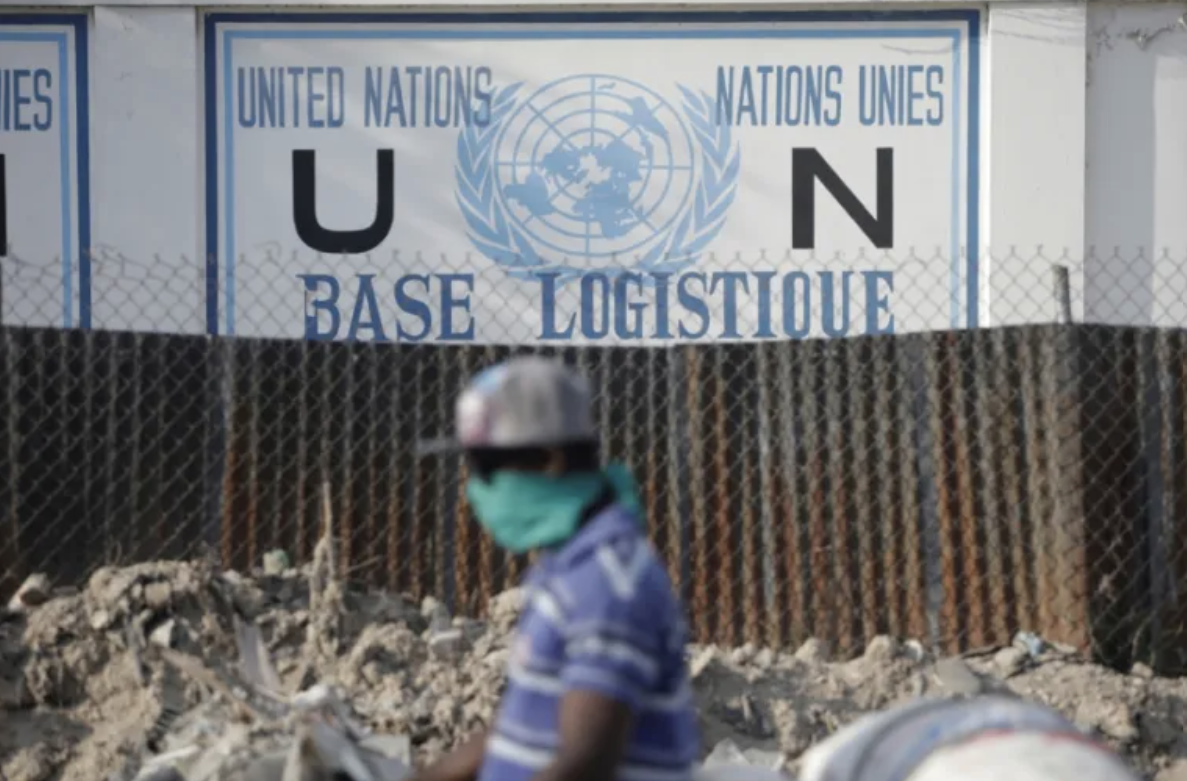
State and international interventions have repeatedly made this worse rather than better. USAID water pump distributions, intended as development assistance, were immediately read by communities through the lens of existing political grievances,, aligned with the very authorities that local water law had long resisted. The pumps weren't just pumps. They were a political message, and communities received them accordingly. Professor Mustafa is precise about the mechanism: through water, you can alienate an entire population without firing a single shot.
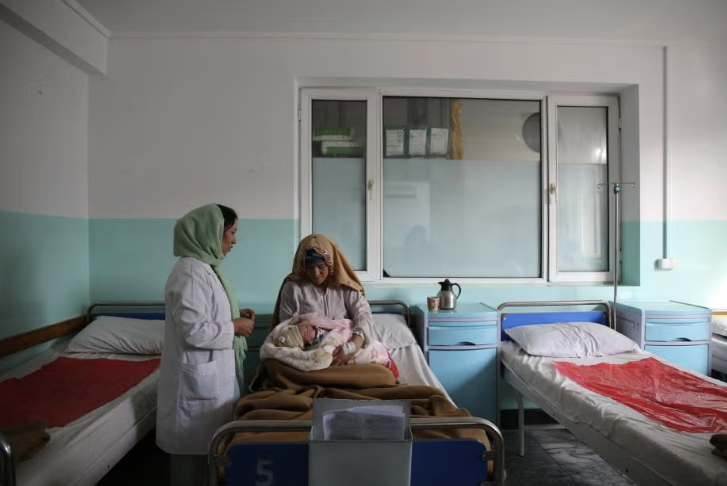
Women bear the weight of this most directly, and most invisibly. Water collection in Balochistan is predominantly women's work, carried out under conditions of increasing scarcity, restricted mobility, and near-total exclusion from the formal spaces where water decisions are made. As sources dry up and distances grow, the labour burden intensifies, but formal water governance frameworks, built around participation quotas and technical design, are structured to miss exactly this kind of compounding vulnerability. The gendered experience of water insecurity in conflict-affected settings is not an add-on to the main story. In many households, it is the main story.
The political dimensions run through everything. Balochistan's water grievances sit inside a broader narrative of resource extraction without benefit, gas, minerals, agricultural water, that has sustained Baloch nationalist politics for decades. CPEC infrastructure investment, much of it routed through the province, has done little to alter the basic calculus for ordinary households. Development arrives; the benefits leave. The water deficit widens, the malnutrition rate holds, and another 300,000 people pack up and go.
What Professor Mustafa's framework ultimately demands is a reckoning that water policy alone cannot deliver. Equitable water governance in Balochistan is not a technical problem awaiting a technical solution. It is a political problem, about recognition, sovereignty, and the terms on which Baloch communities relate to a state they have significant reason not to trust. Pipelines and storage reservoirs matter. But they matter a great deal less than who controls them, and in whose interest.
Further information and opportunities to engage with organisations working in this area are listed below:
https://brsp.org.pk/
https://www.balochistanaidrelief.com/
https://hands.org.pk/
Share your thoughts on this article
Get latest news delivered to your inbox