Zambia's copper belt unemployment and healthcare collapse
May 27, 2026
📍 Zambia
🏷️ Humanitarian
There is a particular cruelty to a boom-and-bust economy that the economics textbooks tend to skip over. The boom doesn't just create jobs; it creates an entire way of life, a set of expectations, a social infrastructure built on the assumption that the money will keep coming. When it stops, what collapses isn't just employment. It's the architecture of ordinary existence.
Nowhere understands this better than the Copperbelt.
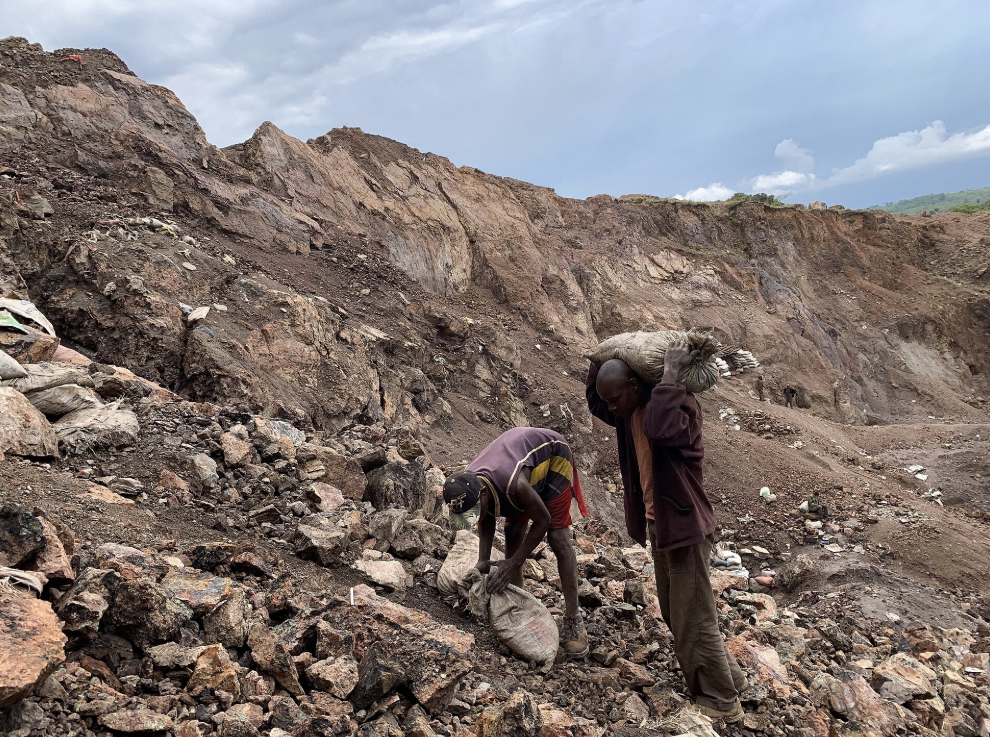
Zambia's mining heartland still generates nearly 25% of national GDP and ranks 3rd in the country for per capita income. Impressive numbers, until you ask which direction they're moving. Between 2015 and 2022, the Copperbelt's economy contracted at an average real rate of negative 1% per year, 4 points below the national average, the worst of any province in the country. Poverty over the same period rose by 17%, 7 points above the national average. The region that digs up the copper is getting poorer faster than anywhere else in Zambia, and the gap is widening.
The job losses didn't arrive as a single shock. They came in increments, announced in the language of operational efficiency and market conditions. 905 workers when the Nchanga mines stopped, 1,500 retrenched from Konkola, 1,400 more when Mopani shuttered its Mindola shafts in Kitwev. Each announcement was treated as an isolated corporate decision. Together they represent the systematic dismantling of the only economy these towns had ever known.
Professor Owen Sichone, inaugural Dean of Humanities and Social Sciences at Copperbelt University, has lived through this long enough to understand what actually happened in the privatisation years. When the state-owned Zambia Consolidated Copper Mines was sold off in the 1990s under World Bank pressure, the incoming private companies approached the transaction with a simple logic. Take the assets, leave the liabilities.
The assets were the mines. The liabilities were everything else, the townships, the clinics, the schools, the social contracts built across generations between company and community. ‘They all avoided the liabilities,’ Professor Sichone says. No one formally voted to end the parastatal model of social provision. It simply ceased, and the gap it left has never closed.
What replaced it, eventually, was the informal sector. Today, 76% of Zambia's workforce operates outside formal employment, a figure that represents not economic dynamism but the absence of alternatives. On the Copperbelt, selling things, moving goods between villages and cities, finding something to trade, something to fix, is not a supplement to the economy. It is the economy. About 40% of national GDP now flows through work that has no contracts, no protections, and no floor below which conditions cannot fall.
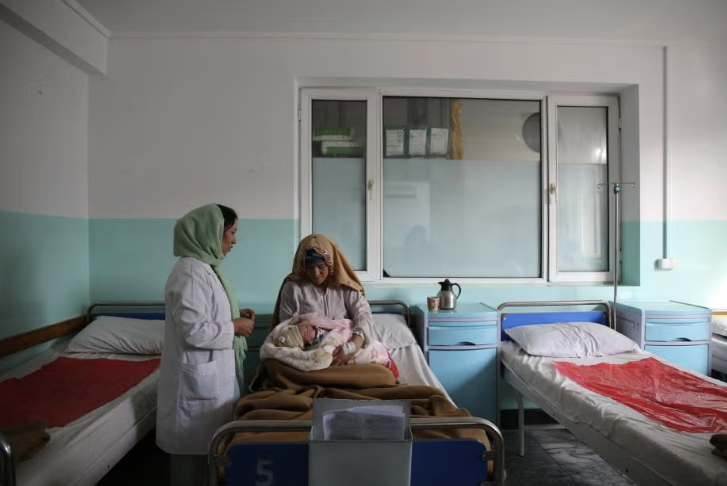
The healthcare picture is where the abstraction becomes flesh. Zambia is running its health system at roughly 50% of the staffing required to deliver basic services. The doctor-to-population ratio nationally sits at 1 per 14,500 people, against a WHO minimum threshold of 1 health worker per 400. Life expectancy is 67, against a global average of 74. Half of all health expenditure, 49.4% in 2022, comes from international donors rather than the state.
And the state is cutting further. The health budget's share of total government spending has dropped from 11.8% in 2023 to a projected 10.3% in 2026. A system kept alive by foreign aid is simultaneously losing domestic support, and that aid is increasingly conditional, structured around deals tying humanitarian assistance to Zambian mineral access for American strategic industries.
On the Copperbelt, even where government has since built new clinics and hired nurses, malaria drugs and mosquito nets arrive by the grace of those same arrangements. The building exists. What goes inside it is borrowed.Kitwe Teaching Hospital, the referral centre for an entire province, serving a city of over 700,000, operates under documented overcrowding and specialist shortage, with patients requiring advanced care pointed toward Lusaka, several hours south. Many don't go. Many can't afford to.
Professor Sichone is careful about blame but precise about the mechanism. ‘Corporate social responsibility is voluntary in Zambia,’ he says. The copper boom that started around 2010, driven largely by Chinese demand and Canadian investment, did generate some new hospitals and clinics across the Copperbelt. But they were financed by government loans, not mining revenue. Extraction with a debt attached. The underlying arrangement, in which enormous wealth passes through the region and the region is left to negotiate for whatever trickles back, has never fundamentally changed.
The social consequences are visible in forms that don't make international news. The unions that once negotiated with government on something approaching equal terms have been shattered, too fragmented, too weakened, too dependent on the mercy of the state they once faced down. Approximately 50% of Zambians have no education beyond primary level. The schools that produced educated mine workers for three generations are overcrowded and under-resourced. Politicians distribute food and cash at election time, often the only new clothes people receive being branded with a party logo, because the textile industry has collapsed along with everything else.
‘The country has never fully recovered,’ Professor Sichone says of the privatisation era. ‘And the population has grown from 3.5 million at independence to over 20 million, with no real opportunity.’
The copper is still in the ground. The extraction continues. Somewhere, the money lands. The Copperbelt just stopped being where.
Further information and opportunities to engage with organisations working in this area are listed below:
https://chepzambia.org/
https://www.aidzambia.org/
https://www.cecilysfund.org/
Share your thoughts on this article
Get latest news delivered to your inbox