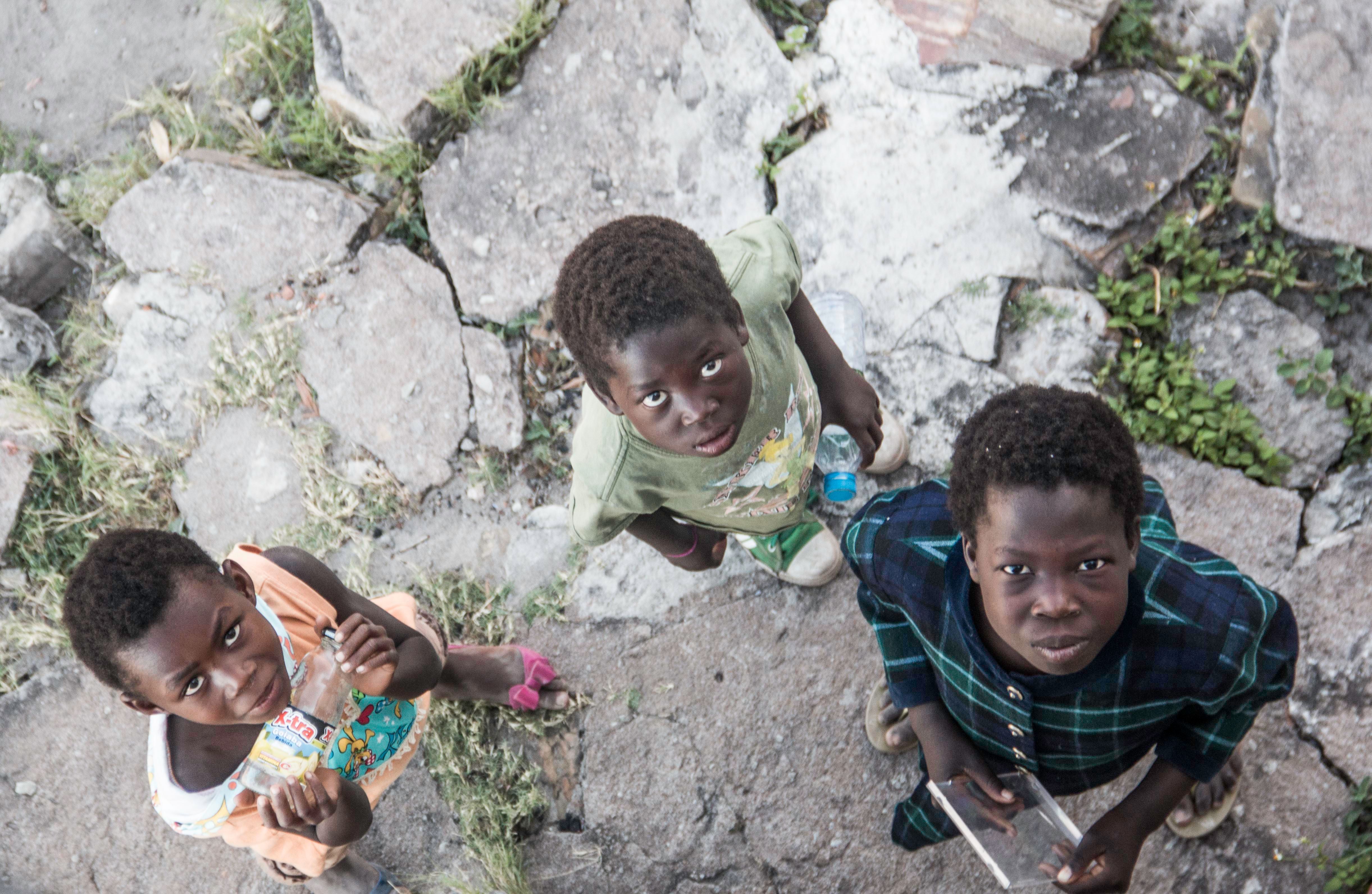
Post-Conflict Health and Food System Collapse in Deir ez-Zor, Syria
April 06, 2026
📍 Syria
🏷️ Humanitarian
The guns have mostly gone quiet. The Islamic State's territorial control collapsed years ago. The world moved on. But in rural Deir ez-Zor, a governorate of 1.2 million people in eastern Syria, the emergency didn't end, it changed form. What replaced active war was something harder to photograph and easier to ignore: a slow, compounding failure of the systems that keep people alive.
The statistics accumulated in Deir ez-Zor don't describe a recovery. They describe a population still in crisis, without the world's attention. 90% of Syrians live in poverty. Inside this governorate specifically, active violence persists, 46 of 56 Islamic State attacks across Syrian Democratic Forces-governed areas in the first half of 2025 occurred here. There are over 192,000 displaced people within its borders. Over 1.2 million returnees have arrived back into communities in eastern Syria where services are either destroyed or controlled by competing factions.
94% of the population faces housing shortages. 57% live in direct proximity to landmines or unexploded ordnance. More than half of households are in financial deficit, spending nearly 43% of income on food alone. Each figure compounds the last. Together, they describe not a place rebuilding, but a place still breaking.
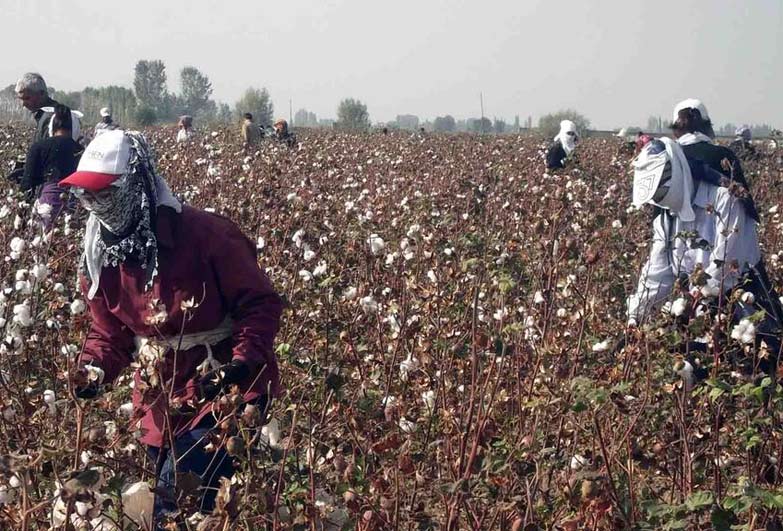
Mr Frans Schapendonk, a Climate Security Specialist working for Alliance Bioversity International whose focus spans water systems and agricultural recovery in conflict-affected settings, points to a dynamic that explains much of what households in Deir ez-Zor are experiencing. Before the 2011 civil war, Syria's agricultural sector operated on a heavily centralised model, subsidised seed varieties, government-managed markets, a regulatory architecture that, whatever its inefficiencies, held the food system together. The war destroyed that architecture. What replaced it wasn't an alternative system. It was fragmentation, localised markets, fractured labour, competing authorities and no institutional capacity to coordinate the inputs that agriculture depends on. For farmers still trying to work, the inputs simply aren't there. Seeds, fuel, fertiliser, all either absent from local markets or priced at levels that households operating on financial deficit cannot reach. The result is stark: according to Mr Schapendonk, approximately only 40% of agricultural land in the region is actively cultivated, with water scarcity making the rest effectively inaccessible. That scarcity runs deep.
60% of the region's irrigation depends on aquifers that took significant damage during the conflict and have never been adequately restored. Add a drought that has persisted across Syria since 2021, and the Euphrates basin, historically the engine of Deir ez-Zor's agricultural economy, is under pressure from multiple directions simultaneously. Farmers are responding the only ways available to them: smaller cultivated areas, deeper wells, livestock sales, a shift toward medicinal crops that offer cash returns without addressing the underlying food gap. These are rational adaptations to impossible conditions, and they are steadily depleting the resource base that any durable recovery would need.
The human body keeps a record of prolonged crisis that statistics struggle to fully capture. A 2023 WHO report found that 52% of northern and eastern Syrians over 2 years of age had some form of disability or difficulty with daily tasks, not a figure from the height of the conflict, but from years into what was supposed to be recovery. The healthcare system responding to that population is itself broken. UNICEF has provided 2.1 million primary healthcare consultations for children and women of childbearing age across Syria since 2022, screened over 1.6 million children and pregnant women for acute malnutrition, and admitted more than 8,000 children for severe acute malnutrition treatment. These are emergency interventions, not system functions. They indicate how far below adequate the formal health infrastructure remains, and how much of the burden has shifted onto humanitarian actors operating without the permanence the situation demands.
Mr Schapendonk is clear that climate cannot be treated as a secondary concern in this context. Syria has been in severe drought since 2021, and the interaction between climate stress and post-conflict fragility is not additive, it is multiplicative. Reduced water availability hits communities that already have no institutional buffer, no functioning credit systems and no government capacity to facilitate the transition to drought-resistant crop varieties, even where the seeds exist. Input market price spikes make production more difficult at precisely the moment when households have the least capacity to absorb costs. The coping strategies that rural communities have left are strategies that work once. Used repeatedly across multiple bad seasons, they erode the foundation for any future recovery.
The strain is showing. Water shortages are fuelling local disputes. Petty crime among rural youth is edging up. Inside households, the burden falls unevenly, women and children eat less, stretch meals further, absorb what others cannot. Meanwhile, attention has drifted. Syria no longer leads the news cycle, and slow crises rarely draw sustained funding.
Still, people return. Around 1.2 million, mostly vulnerable households, moving back into places that cannot support them. Some effort is beginning to take shape. A new Agricultural Strategy from Syrian authorities aims to bring direction to recovery and attract funding. It is new and limited, but it signals an attempt to steady rural life before pressure turns into another wave of departure.
The war ended. The emergency didn't.
Further information and opportunities to engage with organisations working in this area are listed below:
https://syriarelief.org.uk/
https://srd.ngo/
https://www.samarasaidappeal.org
Share your thoughts on this article
Get latest news delivered to your inbox