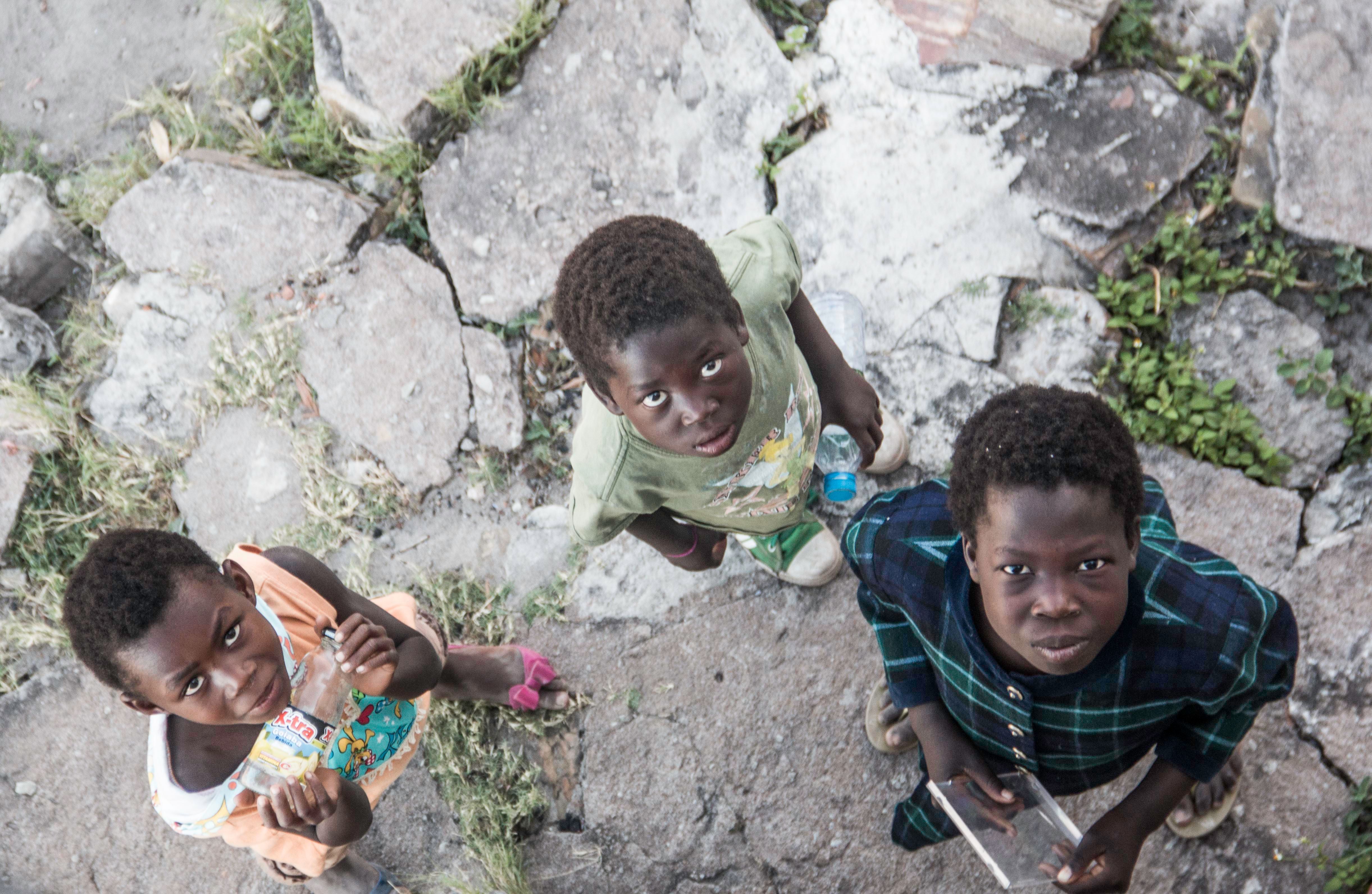
Haiti’s Public Health Collapse
January 29, 2026
📍 Haiti
🏷️ Humanitarian
You walk past the hospital and can see it in the distance. You know it’s there. But getting inside? That’s another story. Roadblocks. Armed gangs. Ambulances that can’t move without risking lives. This is what healthcare looks like in Haiti now. Not the cost, not the wait times, survival is the question.
Haiti has been running uphill for centuries. In 1791, enslaved Africans rose up and threw the French colonists off the island. By 1804, Haiti declared independence, the first successful slave revolt in the Americas. Incredible. Historic. But freedom came with a crushing price. France demanded 150 million gold Francs (roughly USD$3 billion today) for the lost “property” and slaves. Haiti spent 122 years (1825–1947) paying a forced "independence debt" to France, hobbling the economy for generations. Weak institutions, poverty, and foreign interference became normal. US occupation. Dictatorships came. Political chaos. The country never really got a chance to rebuild.
Then modern disasters struck. The 2010 earthquake, 7.0 magnitude, killed over 200,000 people and destroyed hospitals, roads, and supply chains. Aid poured in, but it patched gaps instead of building lasting systems. Many NGOs bypassed the state, leaving Haiti dependent and fragmented. And just over a decade later, in August 2021, a 7.2 earthquake hit the southern peninsula. Hospitals collapsed again, health workers were killed or displaced, and just a month earlier, President Jovenel Moïse had been assassinated. Since then the country has lacked any formal leadership.
Violence layered on top of disaster. Armed gangs, or as some call them paramilitary groups, now control over 80% of Port-au-Prince. Roads, fuel depots, hospitals, they run them like a shadow government. L’Hôpital Général, one of the city’s main hospitals, was taken under gang control and then closed. Doctors Without Borders had to close the Turgeau emergency centre permanently. Ambulances can’t get through. Patients risk kidnapping. Health workers risk death. “Hospitals exist, but people can’t reach them safely,” says Dr. Judite Blanc, a Research Assistant Professor of Psychiatry and Behavioural Sciences at the University of Miami Miller School of Medicine and Member of the Haitian National Committee on Reparations and Restitution. “It’s not about medicine. It’s about surviving every day.”
Even without gang control, the system was fragile. In 2017–2018, Haiti had 1,048 healthcare facilities. A third were public, 18 percent mixed, 17 percent private non-profit, and nearly 30 percent private for-profit. That leaves millions, especially in rural areas, without reliable care. Only half of children attend school. Absolute poverty affects nearly 60% of the population. Life expectancy is only 64, whereas in France it is 83. Cholera returned in 2010 through soldiers from Nepal working for the UN peace mission, after years of dormancy. Diseases that should be preventable now kill.
The human cost goes beyond physical health. Chronic stress and trauma are everywhere. Children grow up with earthquakes, gang violence, political chaos. Trauma accumulates over time, changing bodies and minds. Sleep disrupted. Diets uncertain. Dr. Blanc explains that this stress doesn’t start with the current crises. “The effects of centuries of oppression, colonial debt, and dictatorship still ripple through daily life,” she says. Families bear the weight of history while trying to survive the present.
Women and girls bear a disproportionate burden with sexual violence nearly tripled since the Presidential assassination in 2021. Prenatal care is spotty at best. Maternal health services collapse under violence and blockades. Pregnant women often risk traveling across gang-controlled zones just to deliver. Many must cross borders to the Dominican Republic, or even further to Canada or the USA, to find safe care and risk race-based discrimination. Childcare, household labour, and income generation all fall on their shoulders. Stress and exhaustion compound. Chronic disease care is almost non-existent.
Communities improvise. Faith and family networks stretch to their limits. People share what little food, water, and medicine they can. Community health workers operate without formal support. NGOs provide emergency aid, but it’s patchy, temporary, often reactive. “Aid keeps people alive,” Dr. Blanc notes, “but it doesn’t repair generations of damage. You can’t build health on charity alone.” She emphasises that reparations should focus on healthcare, infrastructure, and sovereignty, not just cash transfers. Long-term investment must be Haitian-led.
This crisis is a mix of history, natural disaster, political chaos, and armed control. Hospitals exist but reaching them is a gamble. Families improvise daily. Children miss school. Mothers risk everything to give birth. Chronic illness goes untreated. Mental health needs go unmet. And every day, people die not just from sickness but from the roads, fear, and neglect that have become the new normal.
Haiti’s story shows how layered crises combine. The legacy of slavery and independence debt, the repeated earthquakes, political assassinations, and today’s gang control all intersect. Dr. Blanc stresses that understanding Haiti means seeing the past and present together. Only by facing history, investing in local systems, and prioritising public health, not just emergency aid, can there be hope for change.Until then, every hospital visit is a test of luck. Every step outside a household is a risk. Survival here is not a right, it’s a daily struggle.
Further information and opportunities to engage with organisations working in this area are listed below:
https://www.pih.org/country/haiti
https://hopeforhaiti.com/
https://alima.ngo/en/?s=haiti
Share your thoughts on this article
Get latest news delivered to your inbox