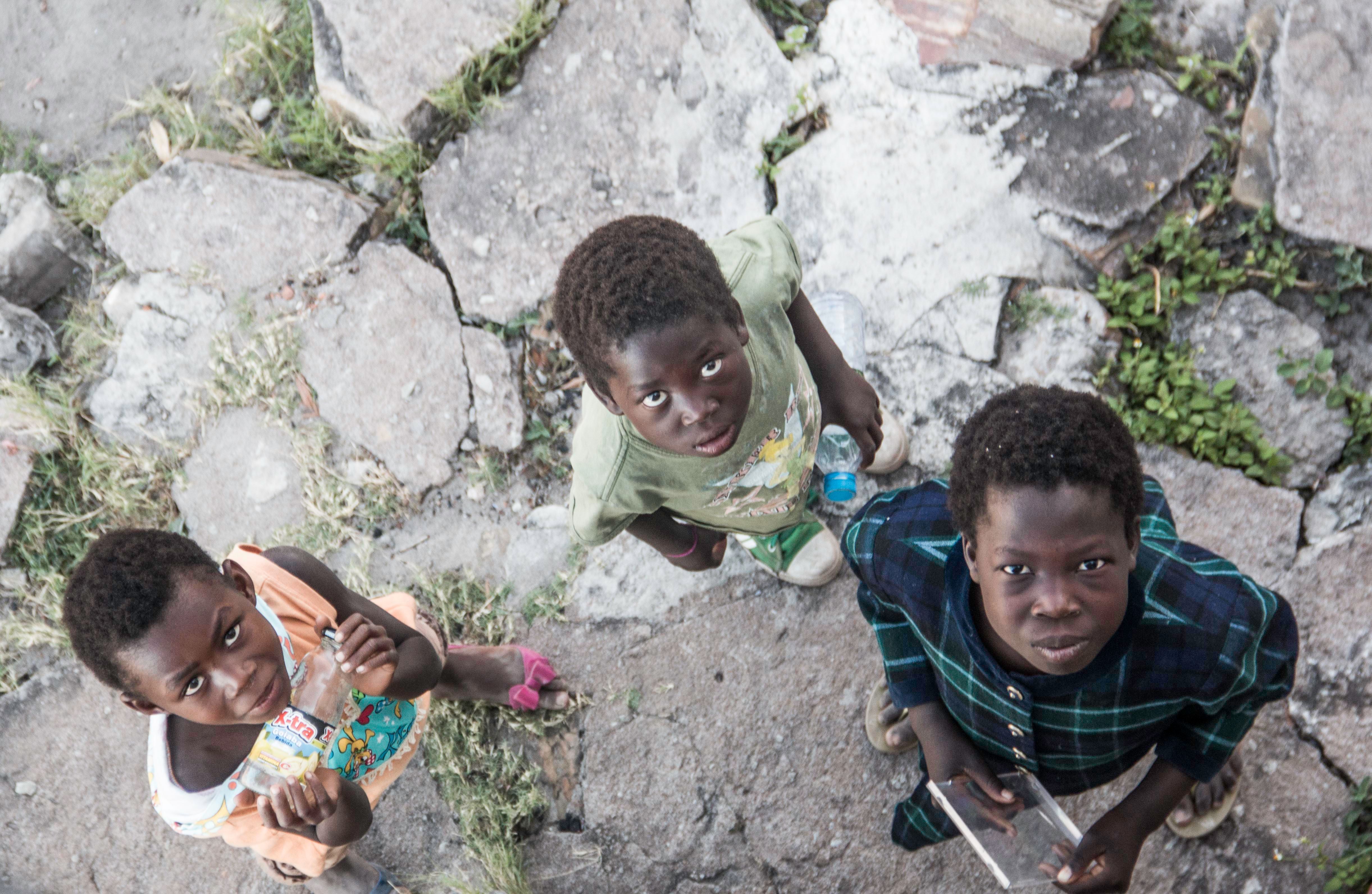
Underreported famine deaths in northern Nigeria
February 09, 2026
📍 Nigeria
🏷️ Humanitarian
In northern Nigeria, hunger does not arrive as a single moment of collapse. It builds slowly, over months and years, through lost harvests, closed markets, rising prices, and families running out of options. People die, but rarely in ways that are formally recognised as famine. Deaths are attributed to illness, exhaustion, or natural causes. Hunger sits underneath, uncounted. Those deaths are almost never counted as hunger-related.
Northern Nigeria still grows food. That is the uncomfortable truth often missed in famine narratives. In the northeast, especially around Lake Chad, land and water have sustained communities for generations. What has shifted is control. Who can farm, who can fish, who can move without fear. Violence has broken that chain. When livelihoods disappear, hunger becomes a condition people live with rather than a crisis that announces itself.
Conflict is what drives this shift. Nearly 2 million people have been forced from their homes across the northeast. Most were producers before they fled. Once displaced, they lose not just shelter, but the means to feed themselves. Food turns from something familiar into a daily calculation of cost, risk, and compromise.
According to Dr Vincent Foucher, a senior research fellow at France’s National Centre for Scientific Research, famine-related deaths here are better understood as political outcomes than food shortages. Violence doesn’t just destroy harvests. It reorganises everyday survival in ways that slowly make life untenable.
In rural areas under jihadist influence, economic life continues, but under control. Farmers pay taxes to access land. Herders pay to use pasture. Fishers pay to reach the lake. Some of these systems are bureaucratic, with receipts and fixed rates. Refuse to comply, and you risk violence or exclusion. Output drops. Herds shrink. Income thins out. The damage compounds over time.
State security measures have often made things worse. After 2019, Nigeria expanded a strategy that concentrated troops in fortified towns, leaving many rural areas exposed. Markets were restricted. Trade bans imposed on some goods. Curfews enforced. In Borno and Yobe, moving goods could get you detained. Fishing was banned for long stretches. These policies limited insurgent financing and supply, but they also strangled local economies.
The result is hunger that doesn’t spike. It settles.
A recent economic collapse has tightened the squeeze. The naira has lost value. Fuel subsidies have been cut. Transport costs jumped. Global food prices spiked, with the effects further exacerbated by local factors. Even households that still earn something struggle to keep up. They cut meals. Switch to cheaper and poorer food. Borrow. Sell assets. Eventually, there’s nothing left to sell.
Health is where hunger becomes lethal. Malnutrition weakens children first. Then disease finishes the job. Hunger in northern Nigeria rarely kills fast. It weakens children first. In the first 6 months of 2025, 652 children died from malnutrition in Katsina State, according to Doctors Without Borders. Those are confirmed deaths, recorded inside clinics. They do not include children who died on the way, or those who never sought care because families had nothing left to sell.
The scale is growing. Nearly 35 million people in Nigeria are expected to face crisis-level hunger or worse during the 2026 lean season. Aid is not keeping up. Funding shortages forced the World Food Programme to scale back nutrition programmes in mid-2025, cutting support to more than 300,000 children. By July 2025, the UN warned it could halt food and nutrition assistance for 1.3 million people in the northeast. In Borno State alone, 150 nutrition clinics may close, putting 300,000 children at immediate risk.
Still, there is no famine declaration.
This isn’t new. In 2016, Médecins Sans Frontières warned of famine conditions in Borno. Nigerian authorities pushed back hard. The label was rejected. Since then, international NGOs have become more cautious, and access outside government-held areas has shrunk. Dr Foucher argues that famine frameworks struggle to capture slow deaths spread across insecure rural areas, especially when governments resist the framing.
Politics matters here. Nigeria sees itself as a regional power. Famine does not fit that image. Hunger becomes something to manage quietly, not name publicly.
The cost of that silence is growing. Since the current government took office in 2023, over 10,200 people have been killed by armed groups across northern states. Displacement continues to rise. Young people leave farming not because they want to, but because it no longer feeds them. Armed groups recruit where economies collapse.
As Dr Foucher warns, when hunger is treated as a side effect of conflict rather than one of its main weapons, it stays invisible. People don’t die all at once. They disappear from the margins. One household at a time.
That is what famine looks like here. Not a declaration. Not a headline. Just lives wearing down, quietly, until they stop.
Further information and opportunities to engage with organisations working in this area are listed below:
https://lagosfoodbank.org/
https://www.nohungerfoodbank.org/
https://crisisrelief.un.org/en/donate-nigeria-crisis
Share your thoughts on this article
Get latest news delivered to your inbox