Civilian Impact of Illegal Mining in the Bolivian Amazon
February 19, 2026
📍 Bolivia
🏷️ Humanitarian
Illegal mining in the Amazon is usually talked about as either a crime problem or an environmental one. In northern Bolivia, that framing falls flat. This isn’t abstract. It’s felt in the water people drink, the land they can’t touch anymore, and the quiet tension over who really controls resources that the state formally administers but manages ineffectively..
Bolivia’s Amazon isn’t empty or untouched. People live there. Indigenous communities, small farmers, river economies. Gold has been part of that landscape for generations. What’s different now is scale, speed and the pull of global demand. As Dr Natalia Valdivieso Kastner, a social anthropologist at the University of Bristol, points out, the current wave of illegal mining isn’t about new discoveries. It’s about how easy it’s become to move excavators, dredges, fuel, and mercury deep into the forest. What used to be seasonal or small-scale has turned into something permanent.
Once you look past the pits themselves, the system gets clearer, and messier. The supply chain behind illegal gold mining is long and carefully organised. Heavy machinery often comes in under fake agricultural permits. Mercury, which should require strict authorisation, slips through informal routes. When Peru banned mercury imports in 2015, Bolivia’s imports jumped at least twelve times, making it the second-largest mercury importer in the world. At the border, mercury can cost under $30 a kilo. By the time it reaches mining sites, intermediaries push that price past $200. Everyone along the way takes a cut. Responsibility dissolves with each transaction.
The damage shows up fastest downstream. River communities see it first. Fish become scarce. Water changes colour. Drinking it feels like a risk. Diets shift toward packaged food hauled in from outside, not by choice but necessity. A 2021 study by Bolivian NGOs found that 80% of Indigenous people tested in the Madre de Dios and Mamoré river basins had mercury levels far above what the WHO considers safe. For families who depend on rivers, that’s not a statistic. That’s illness. Missed work. And hard decisions about whether staying is still possible.
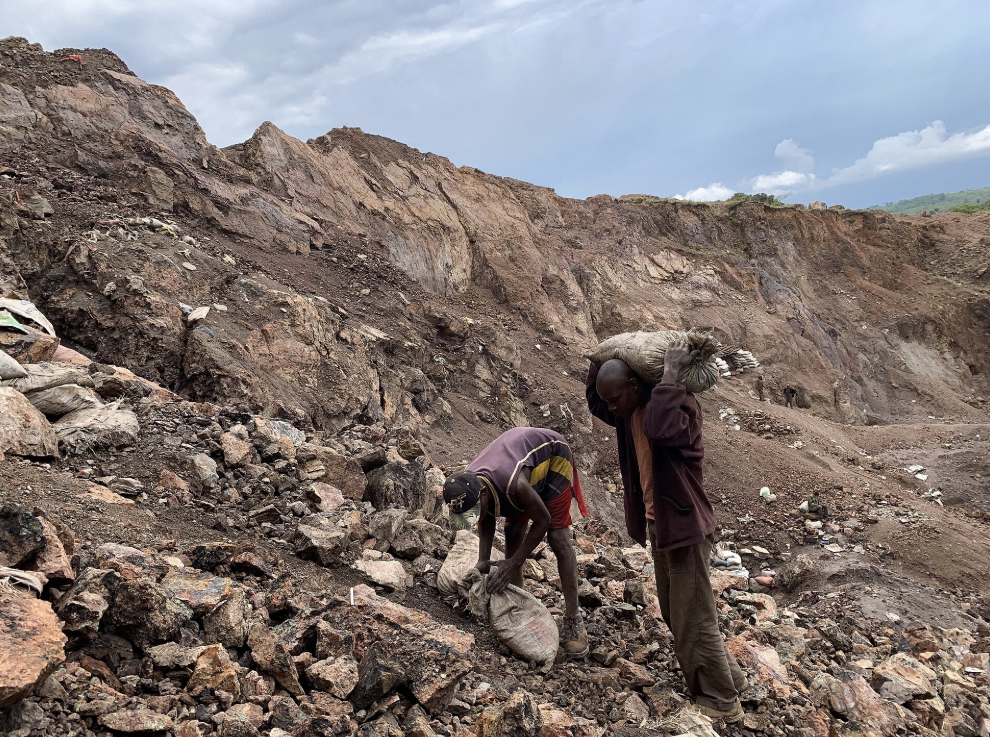
Mining survives because it pays. Roughly 45,000 people are estimated to be involved in illegal gold mining in the Bolivian Amazon. Many are locals with few alternatives and little state support. Others arrive from the highlands or across borders, which fuels resentment and conflict over land. Being involved doesn’t mean people don’t understand the harm. As Dr Valdivieso Kastner notes, communities are often very aware of the environmental risks. What they don’t have is real authority over land they live on but don’t legally own.
Governance makes everything heavier. Bolivia’s constitution establishes that natural resources, including minerals, water, soil, forests and subsoil, are of strategic importance and belong to the Bolivian people as a whole. Their administration lies with the state, acting in the collective interest, while individual and collective land ownership is recognised. In practice, this division creates friction. Communities live on resource-rich land, but control over extraction is mediated by state institutions that are often absent or compromised. Local elites frequently dominate transport routes, land titling processes, and gold trading points. Police and officials slide into informal arrangements that keep extraction moving.
The pattern repeats across borders. In Ecuador, illegal gold extraction grew in riverine areas where regulation was already thin, accelerating forest loss. Some Indigenous groups elsewhere in the Amazon have pursued negotiated coexistence with miners, but these isolated cases do not reflect the broader reality of displacement and conflict.
This is not only an Amazon story. Mining across the Bolivian and Peruvian highlands shows how extractive risk is normalised. Large-scale open-pit and underground operations, such as those at Cerro Rico in Potosí, differ technically from alluvial gold mining but share weak labour protections and poor health and safety enforcement. By October 2025, 96 people had died in mining accidents in Potosí department that year, most inside Cerro Rico itself. Women working as ‘guardabocaminas’ guard mine entrances with dogs and dynamite, earning just 18-36% of Bolivia’s minimum wage. Everyone knows the risks. They’re accepted because there’s work to be done.
Global markets pour fuel on all of this. Gold prices spiked between 2020 and 2022, making mining one of the fastest ways to earn cash as farming and forestry incomes shrank. With foreign currency scarce, Bolivia loosened rules so the central bank could buy gold for export. Today, nearly 89% of Bolivian gold comes from artisanal and small-scale mining that relies on mercury. The line between legal and illegal keeps getting thinner.
There are signs of resistance. 4 new protected zones now cover nearly 1 million hectares of Bolivia, part of the country’s push toward the global 30×30 goal, to protect 30% of the planet by 2030. That matters. But lines on a map won’t stop mercury or machinery if the networks behind them stay intact.
As Dr Valdivieso Kastner argues, real progress means shifting attention away from individual mines and toward the systems that keep them running. Gold traceability. Tighter controls on mercury and heavy equipment. Clear rules about who can buy and export gold. And honesty about demand beyond Bolivia’s borders. Illegal mining isn’t happening in isolation. It’s plugged into global markets and global choices.
The Amazon isn’t lawless. It’s unevenly governed. Until extraction is treated as a social and political process, not just a technical one, it will keep generating income while quietly stripping communities of health, safety, and control over their own future.
Further information and opportunities to engage with organisations working in this area are listed below:
https://sosorinoco.org/en/facts/illicit-business/coalition-against-illegal-mining-in-the-amazon-cmia/
https://ara-bolivia.org/
https://bolivia.wcs.org/en-us/
Share your thoughts on this article
Get latest news delivered to your inbox