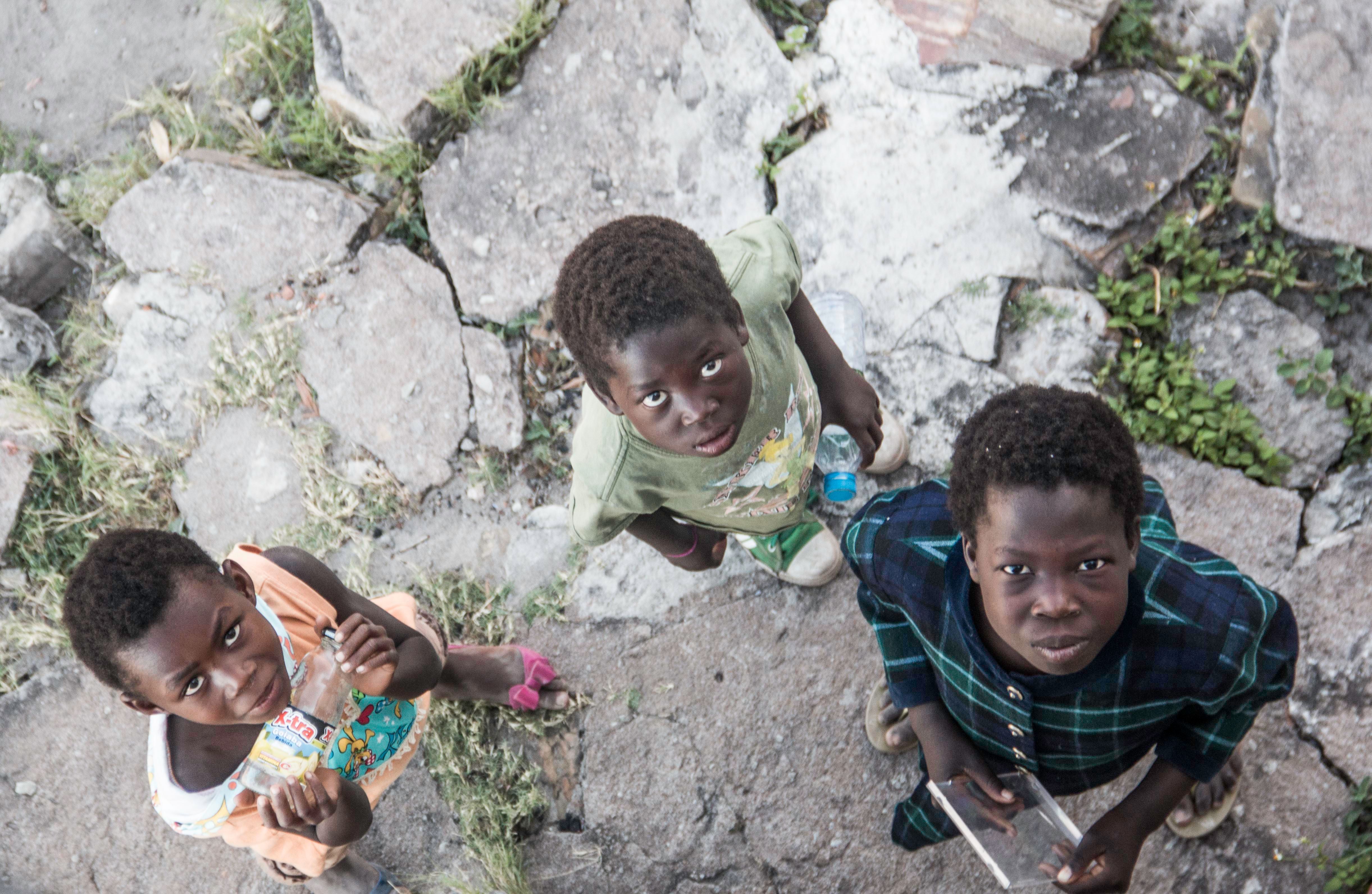
Climate-linked famine in southern Madagascar
February 22, 2026
📍 Madagascar
🏷️ Climate
Southern Madagascar is home to breathtaking natural beauty and rich cultures. However dispersed amongst this, approximately 1 million people are fighting to survive every day. Dry, tropic climates characterised by distinct wet seasons and short, hot dry seasons are being exacerbated by the effects of climate change.
In 2021 Madagascar broke into the Western news cycles following a 4-year drought leading to the largest climate-induced famine at the time. Out of the 5 countries that were experiencing famine in 2021, Madagascar was the only one not driven by conflict. Instead, climate stress interacting with long-term policy failure. The UN estimated 30,000 people were experiencing IPC Phase 5 ‘catastrophe’. Harvests more than halved. Families began foraging to survive, relying on a diet of cactus leaves. Malnutrition in children under 5 increased by over 50%. The increased media attention alleviated some pressures for the government and saw an influx of over $200 million by late 2022.
Then the world turned its shoulder. Madagascar was left in a state of short-term revival but long-term uncertainty. By 2022, agricultural land loss was as high as 60% in certain areas. What looked like recovery was in reality exhaustion. Emergency food distributions slowed. Aid workers rotated out. Funding streams narrowed. The drought did not end, it simply fell out of view. Today, roughly half of southern Madagascar’s population still struggles to find enough food, and at least 350,000 children under five continue to suffer from acute malnutrition. This is no longer a shock crisis. It is a grinding one.
Southern Madagascar has always lived with drought. Locally, famine-like conditions are known as kéré. Communities have survived for generations through seed saving, rainwater harvesting, food substitution, and mobility. As Dr Miora Rakotoarivelo, a postdoctoral researcher at the University of Antananarivo, explains, “people living there have always had drought and have learned to manage with lack of food and lack of water.” What has changed is not resilience, but pressure. Recurrent drought since around 2015, worsening after 2019, has pushed coping strategies beyond their limits.
Households sell livestock, reduce meals, and send family members away in search of work or water. Migration is no longer seasonal. It is permanent. Many are forced to other regions, increasing pressure on natural resources, and settling in poorer conditions than ever. Women and girls walk ever greater distances for water, carrying the physical and mental toll of scarcity. “If they have to go further,” Rakotoarivelo notes, “it affects health, mental health, and children’s growth.” Water scarcity does not only reduce crops. It reshapes daily life, increases disease, and fractures communities from the inside.
Policy has not kept pace. Southern Madagascar remains heavily dependent on rain-fed agriculture, while investment in dams, desalination, and water purification has been limited and uneven. Governance is fragmented. Drought in the south is still treated as a temporary emergency rather than a structural condition. “The government doesn’t see it as a priority,” Rakotoarivelo says. “There is not enough consideration of local populations, and solutions don’t last.”
At the same time, land is being diverted away from food security. Corporate land contracts now cover hundreds of thousands of hectares, pushing farmers toward export crops while households consume seed stock and skip meals. This pattern is not new. A century ago, colonial authorities destroyed the prickly pear cactus that sustained the region, triggering mass starvation. Today’s policies repeat a similar logic: prioritising external markets while undermining local survival systems.
International attention briefly disrupted this cycle. The framing of Madagascar as the world’s first climate-change-induced famine forced global recognition. “It helped a lot,” Rakotoarivelo acknowledges. “Awareness is important.” But attention faded. Funding declined. The drought remained.
The danger now is not spectacle, but silence. Climate-linked famine in southern Madagascar is no longer headline-worthy, yet it continues to hollow out lives. Without sustained investment in water governance, land protection, and locally informed adaptation, the next famine will not arrive suddenly. It will simply deepen, unnoticed, in a place the world has already decided it understands.
Further information and opportunities to engage with organisations working in this area are listed below:
https://moneyformadagascar.org/
https://www.earth-changers.com/purpose/madagascar-climate-induced-famine/
https://www.wfp.org/countries/madagascar
Share your thoughts on this article
Get latest news delivered to your inbox