Fisherfolk Displacement and Mining Expansion in Palawan, Philippines
February 26, 2026
📍 Philippines
🏷️ Humanitarian
Palawan is the kind of place that gets described as paradise. A long, blade-shaped island in the western Philippines, it ranks 3rd among the country's top provinces for fisheries production, 123,245 metric tons of combined municipal marine and commercial catch recorded in 2024. Beneath its forests lies something else entirely: copper, gold, nickel, zinc and silver reserves estimated at $1 trillion, less than 3% of which is currently under mining contracts. Two extractive economies, occupying the same ground.
Since peak production in 2006, Palawan's municipal marine and commercial fisheries output has fallen by more than half. That collapse has a texture to it, in the red tinge of acid mine drainage bleeding into coastal waters, in dying coral, in rice paddies choked by red-earth runoff, in fishing communities relocated from shorelines they have worked for generations. The numbers tell part of the story. The rest lives in the households trying to survive it.
Professor Wolfram Dressler, a human geographer at the University of Melbourne with long-term ethnographic experience in Palawan, describes how poor mining practices devastate livelihoods across an entire landscape at once. Badly contained tailings ponds breach. Toxic sludge moves through watersheds, poisoning soils and triggering fish kills downstream. Access roads and port construction displace coastal communities from the shoreside spaces they depend on, not just for shelter, but for mooring their boats, mending nets, and preparing bait. For households that combine fishing and farming, a single mining project can unravel livelihoods in the highlands and at the coast simultaneously.
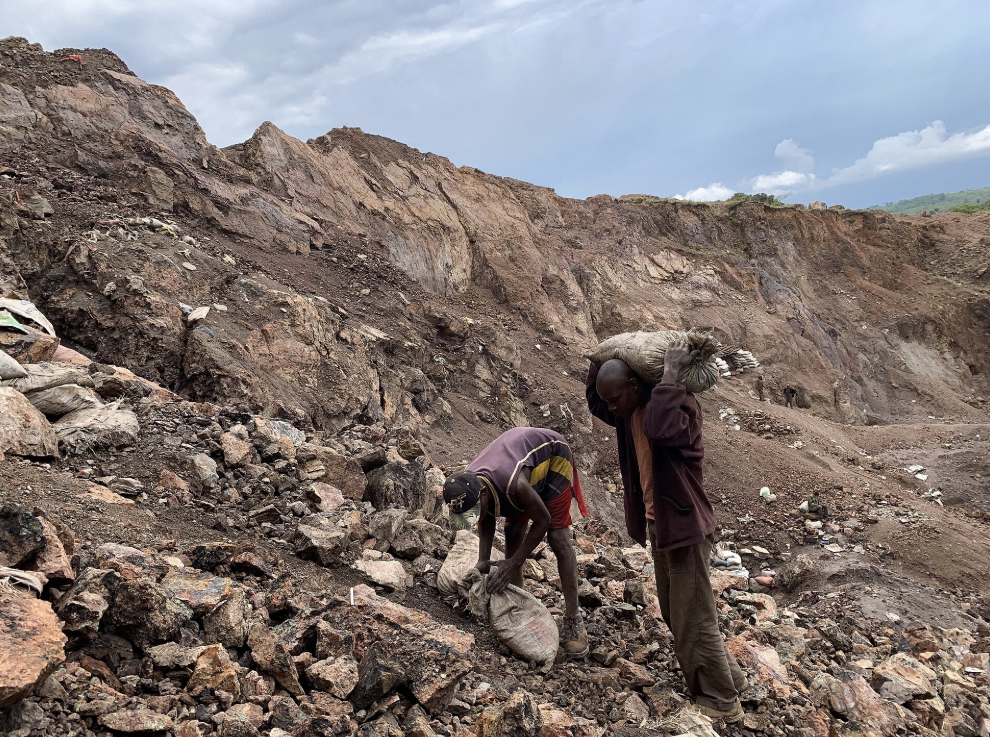
Palawan sits at the centre of a global resource race it did not choose. The Philippines and Indonesia together account for 60% of the world's nickel supply, with China importing over $1 billion worth in 2023 alone. Palawan's nickel is extracted through strip mining, forests cleared, topsoil removed, the landscape turned inside out to reach the ore beneath. Around 60% of the country's mineral deposits and nearly half of all mining projects sit on Indigenous peoples' territories. A fifth of Philippine Indigenous land is already covered by mining and exploration permits. Meanwhile, conservation group Oceana estimates that more than 75% of the nation's fishing grounds are depleted. These figures are not unrelated.
Governance, in theory, exists to mediate these pressures. In practice, it fragments them. Professor Dressler is precise on this point: land and sea jurisdictions are managed in isolation from one another, with policies that nominally address the connection between the two rarely doing so in reality. The result is a kind of structural abandonment. Highland farmers and coastal fisherfolk alike occupy what the state designates as ‘public domain’, a classification that makes displacement easier, legal challenges harder and corporate interests considerably more powerful than community ones. Where Indigenous communities do hold formal tenure, through Certificates of Ancestral Domain Title, those boundaries are routinely ignored. Free and prior informed consent processes, meant to protect communities from precisely this kind of encroachment, are bought off. Corruption, as Professor Dressler puts it plainly, is pervasive.
Palawan also holds the grim distinction of ranking highest nationwide in the number of apparent commercial fishing vessels detected illegally operating inside municipal waters, waters that by law belong to small-scale fishers. Poaching compounds what mining degrades. The sea, already under chemical assault, is being emptied from above as well.
Faced with compounding pressures, fishing households adapt in ways that are practical, painful, and rarely visible in policy documents. Most are risk-averse, Professor Dressler observes, not passive, but strategic, working to maintain a minimum food and income base while pressures close in from multiple directions. Some relocate to less-affected bays. Those who stay shift toward hardier food stocks: more cassava, more dried fish stored on elevated platforms against the flooding that mining-induced watershed damage now brings regularly to their doors. These are not development outcomes. They are survival adjustments.
Social fabric frays alongside livelihoods. To manage community unease, mining companies invest in visible infrastructure; basketball courts, schools, daycare centres, tribal halls, deployed strategically to cement approval and absorb dissent.
Communities divide along the lines of who receives benefits and who doesn't, animosity quietly accumulating where gratitude was expected. Pushback takes shape regardless. Fisherfolk organise, often alongside NGOs like Pamalakaya, coordinating protests in cities including Puerto Princesa. In March 2025, that pressure contributed to something tangible: a 50-year moratorium on new mines in Palawan, blocking 67 pending applications, a hard-fought outcome years in the making.
The moratorium closes a door. The question of what passes through the ones already open remains very much unanswered.
Further information and opportunities to engage with organisations working in this area are listed below:
https://www.elacphilippines.org/
https://www.lrcksk.org/
https://cri.org/reports/broken-promises/
Share your thoughts on this article
Get latest news delivered to your inbox