Migrant and Refugee Exclusion from Healthcare in Tunisia’s Economic Crisis
February 27, 2026
📍 Tunisia
🏷️ Political
Tunisia’s economic crisis doesn’t announce itself with sirens. It seeps into ordinary routines. A clinic visit postponed. A prescription left unfilled. Getting sick no longer triggers a clinic visit. It triggers calculation. Among migrants and refugees from Sub-Saharan Africa, care slips away as finances shrink and protection feels uncertain.
Economically, Tunisia is frozen. Since 2023, growth has hovered at 0%, unemployment near 15%, and inflation around 8%. Food prices rise. Public care thins. For migrants, it means something sharper. Many aren’t legally recognised as refugees at all. Although Tunisia hosts over 9,000 seeking refuge and around 59,000 foreign residents, it offers no formal asylum system. Sub-Saharan Africans are treated as irregular migrants by default, even when fleeing violence or instability.
The consequences surface quickly in hospitals. Underfunded public facilities become difficult, sometimes hostile, places to seek care.
Access often depends on informal gatekeeping, who looks legitimate, who can pay, who is worth the time. According to Roula Seghaier, who serves as the International Coordinator for the Women in Migration Network, migrants in cities like Tunis and Sfax have increasingly been pushed toward NGOs and private clinics, not by choice, but by exclusion. It is a dependence born of necessity, not preference, and one that is itself narrowing. As the political climate tightens around migration, even these fallback routes face disruption. Funding dries up. Organisations are scrutinised.
Labour offers no safety net. Only 12% of migrant youth earn regular wages. 32% rely on casual work. Women dominate domestic labour accounting for 69% of labour,, sex work 12%, and begging 11%. Young men cluster in construction, agriculture, or fishing, sectors tied to forced labour risks. Without stable income, private healthcare becomes impossible, and public care feels dangerous.
Racism makes things worse. In early 2023, the president of Tunisia, Kais Saied, claimed Sub-Saharan Africans were part of a conspiracy to change Tunisia’s demographics. The statement landed hard. Assaults increased. Black Tunisians were targeted alongside migrants. Then a local newspaper published an unsubstantiated claim that 10% of Sub-Saharan Africans were HIV carriers. Official data puts national HIV prevalence closer to 0.05%. The damage was immediate. Fear followed migrants into waiting rooms. Trust in doctors collapsed.
Legal pressure reinforces that fear. Amnesty International documented At least 70 collective expulsions took place between June 2023 and May 2025, impacting more than 11,500 migrants, according to Amnesty International. After the first expulsions, 28 people were found dead near Libya and 80 disappeared. 41 individuals were mistreated by security forces. In this context, Roula Seghaier notes that healthcare often comes too late.
Informal networks try to fill the gaps. Mutual aid groups pool money for medicine. Faith organisations organise transport to sympathetic clinics. Women often depend on community midwives and informal carers during pregnancy. These networks are vital, but increasingly strained. Medication shortages are frequent. Subsidised drugs are prioritised for citizens. Black-market medicine fills gaps, bringing fresh risks and reinforcing harmful stereotypes.
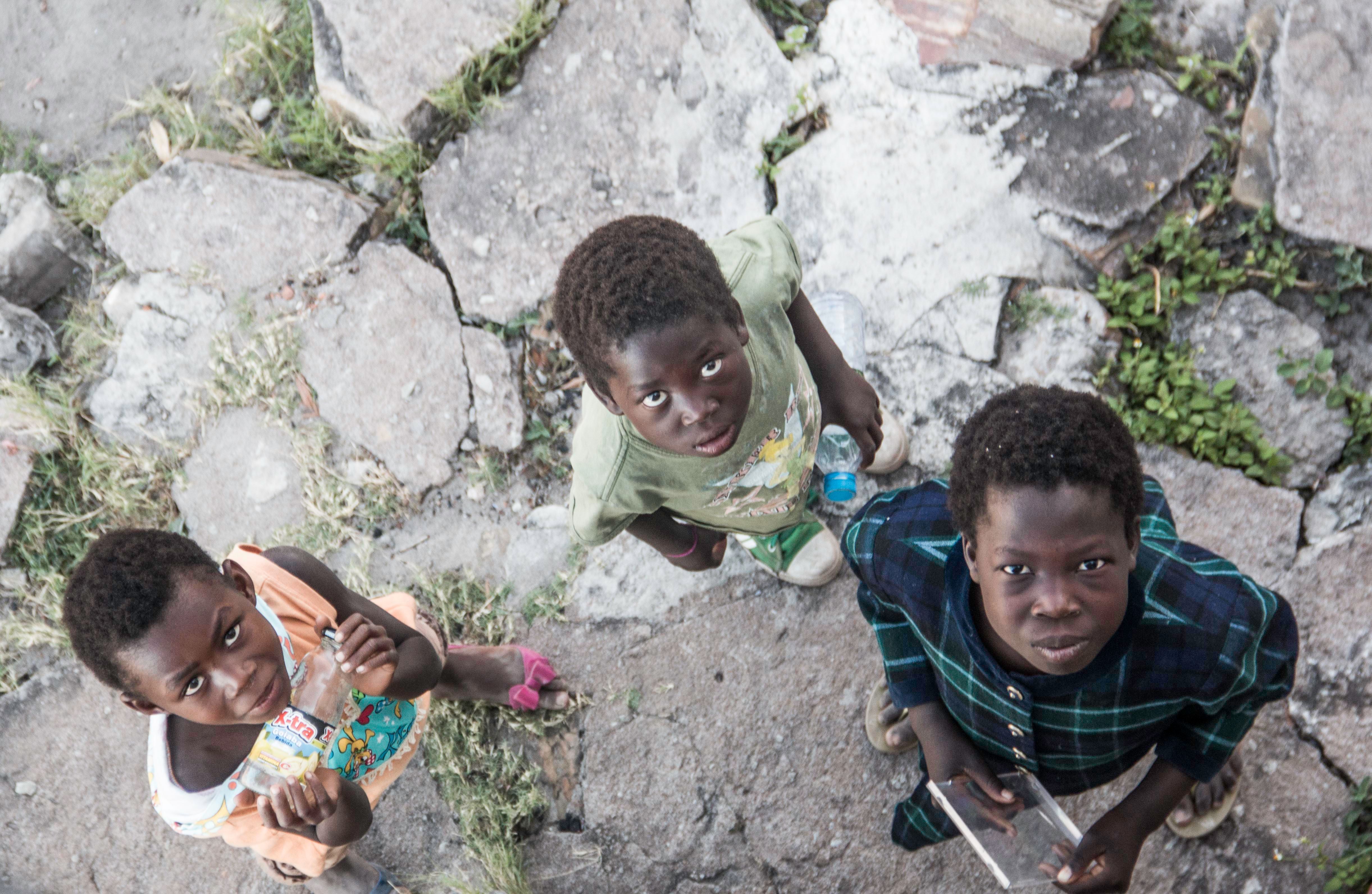
Children face the greatest danger. Eighty-nine percent of migrants surveyed believe children are highly exposed to harm, including kidnapping, violence, and trafficking. Prenatal care is uneven. Overcrowded housing without clean water turns minor illness into serious threat. For those expelled to border zones, hunger and dehydration become immediate medical emergencies, ones the state denies exist.
Healthcare exclusion isn’t accidental. It sits at the intersection of austerity, migration control and racialised politics. Tunisia’s agreement with the EU, aimed at externalising Europe’s borders, has turned migrants into bargaining chips. Without binding protections, enforcement becomes arbitrary. Community organising is then framed as a threat. When migrants cluster for safety, officials warn of a ‘state within a state.’
Still, people organise. Migrants share information about safer doctors. Anti-racism groups document abuse, even as leaders face arrest. Trade unions quietly assist where they can. Roula Seghaier argues that improving access isn’t just about clinics or funding. It requires legal recognition, an end to collective expulsions, and a public health approach that treats migrants as patients, not problems.
Tunisia’s crisis is often described as economic. For migrants and refugees, it’s medical too. Illness doesn’t wait for paperwork. Bodies don’t adjust to policy gaps. When care is delayed, the costs don’t disappear, they compound. And in a system already stretched thin, those costs will eventually surface, whether the state chooses to acknowledge them or not.
Further information and opportunities to engage with organisations working in this area are listed below:
https://tunisia-aid.org/
https://peopleactfortunisia.org/
https://www.ippf.org/countries/tunisia
Share your thoughts on this article
Get latest news delivered to your inbox